How a question
became an initiative.
The Scaling Water Reuse Initiative grew from a question about a global ambition for water reuse. It was subsequently developed into a collaborative initiative founded by GWI and IDRA.
The Scaling Water Reuse Initiative actually began with President Tharman Shanmugaratnam of Singapore. He wasn't president then. He was Senior Minister and one of the Co-Chairs of the Global Commission on the Economics of Water. We were on a call with a number of other commissioners and experts when he asked me:
What might be a target for water like Net Zero is for energy?— President Tharman Shanmugaratnam
I gave a long explanation why the idea wouldn't work. Water is in everything. It is 60% of our bodies. There are so many crucial issues surrounding it: access to safe drinking water; improved sanitation; rising water scarcity; increased flood risks; the economic value at risk from changes in the water cycle; protection of biodiversity in the water environment. The list goes on, I explained.
Well, why not a target for water reuse?— President Tharman Shanmugaratnam
… soon to be President Tharman Shanmugaratnam replied.
I sat and thought for a moment. He was absolutely right. There will never be a single number that captures every aspect of what we care about in water, but a target for water reuse can do a whole lot of good.
It might not increase the number of people who don't have access to piped potable water to the home, or do much about flooding, but it will improve sanitation, reduce the impact of water scarcity, reduce the economic value at risk from water insecurity, and protect biodiversity.
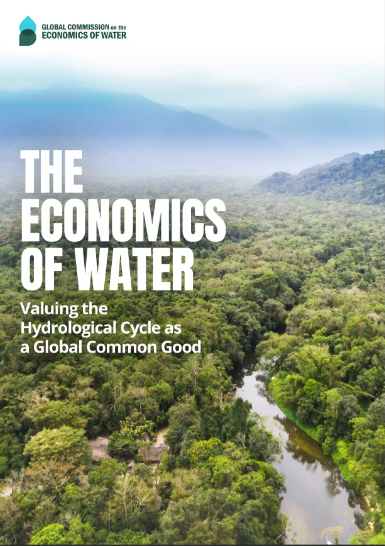
The suggestion ended up being part of the Commission's Mission Three: "Establish a circular water economy, including changes in industrial processes, so that every drop of used water generates a new drop through reuse." The specific wording of the related target proposed by the Commission was:
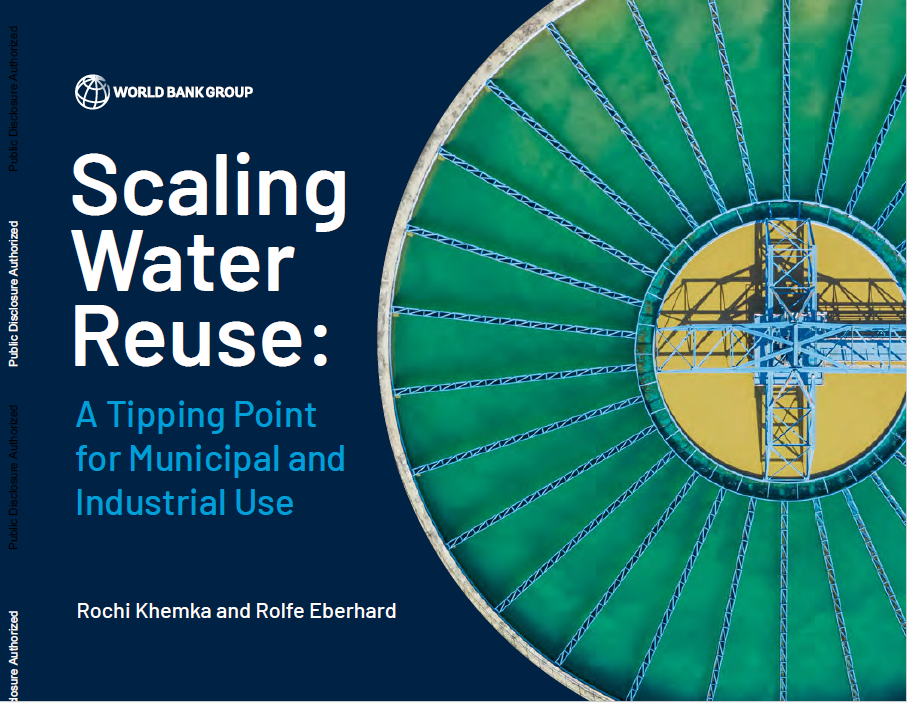
Soon after, we began working with Rochi Khemka and the 2030 Water Resources Group (2030 WRG), hosted by the World Bank, on the Scaling Water Reuse Initiative. That led to the publication of 2030 WRG's seminal report, Scaling Water Reuse: A Tipping Point for Municipal and Industrial Use, which provides much of the economic and financial justification for the Initiative.
After its publication, we began to build out the coalition of the willing to support the Initiative — specifically bringing together the working groups to inform the policy document that we will be presenting at the UN Water Conference in Abu Dhabi. These are organised by my colleague Marta Ceadel.
GWI and the International Desalination and Reuse Association (IDRA) subsequently came together as the Initiative's Founding Partners, combining GWI's market expertise with IDRA's international convening role.
As Shannon McCarthy, Secretary General of IDRA, put it in our joint launch announcement on 21 May 2026: "Today, the world reuses only about 11% of municipal water. Moving that number to 50% by 2045 would represent one of the most transformative shifts in the history of global water management. This initiative is about changing both the perception and the economics of reuse to make it a core pillar of global water security, and IDRA is proud to be a co-founder of the initiative."
We would love you to join us in delivering this mission.

















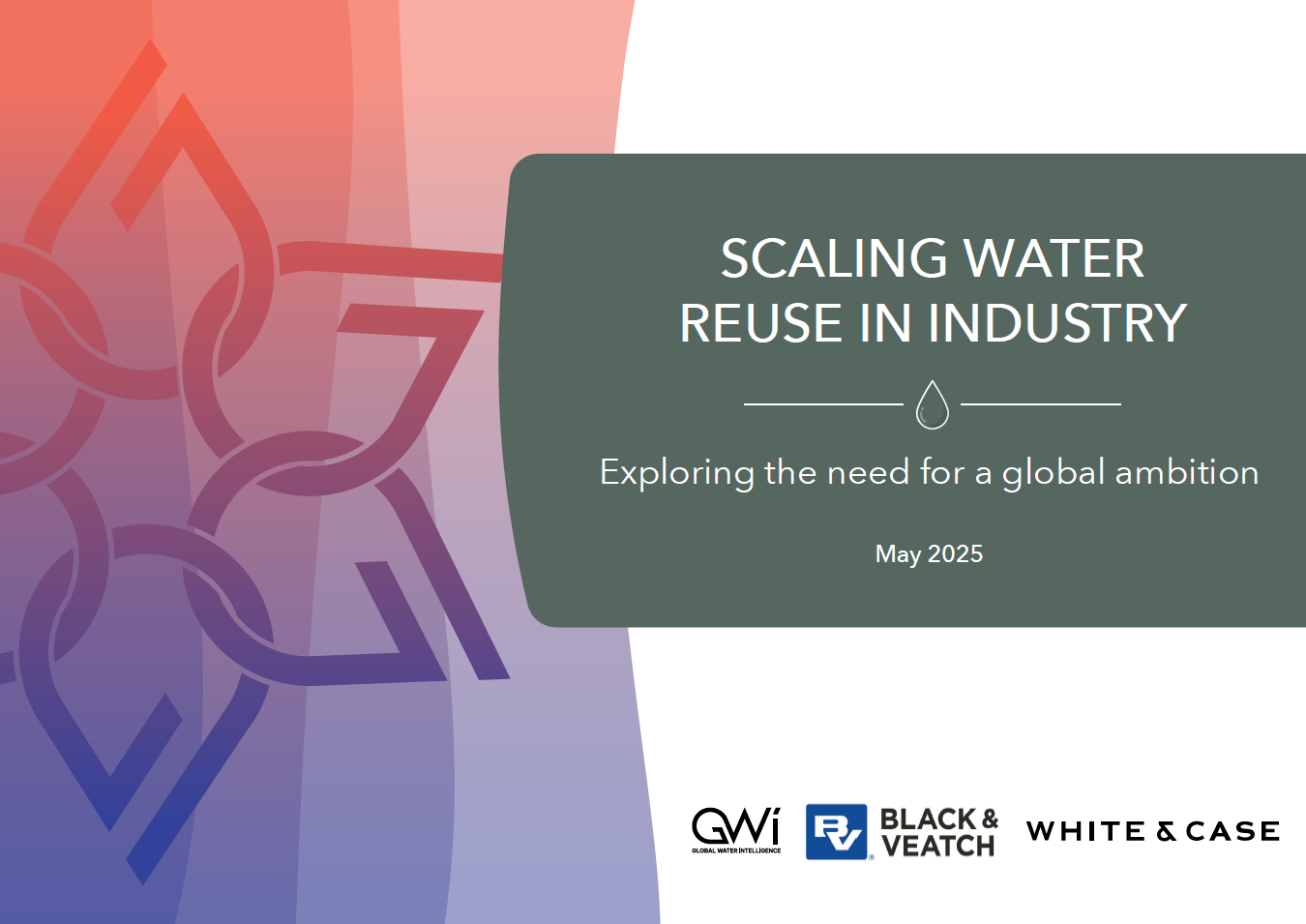
Three reports that shape the case.
The intellectual scaffolding behind the Initiative — from the Commission's overall vision, to the World Bank's economic case for scaling reuse, to the industry-specific framing of how reuse works in practice.
Press releases.
Official announcements from the Scaling Water Reuse Initiative and its Founding Partners.
Help make reuse the first choice for water.
Join the coalition of the willing. Contribute to a working group. Help shape the policy document for IDRA Riyadh and contribute to discussions on the post-2030 sustainable development agenda.
The Scaling Water Reuse Initiative is an independent, multi-stakeholder initiative. References to UN processes on this site identify opportunities for engagement and dialogue and should not be interpreted as endorsement by the United Nations, UN-Water, ECOSOC or UN Member States.